July 16, 2026
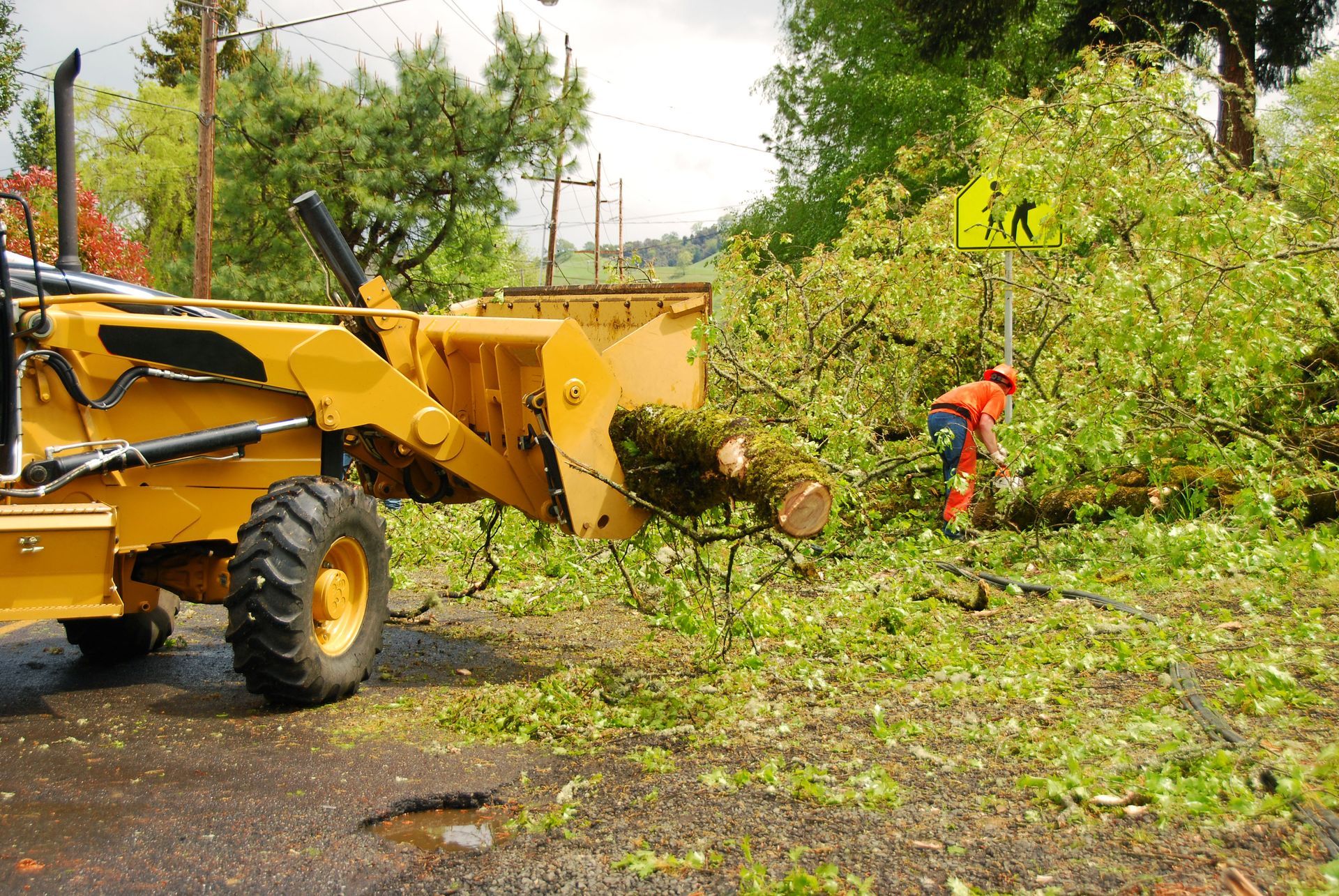
Severe weather leaves behind visible debris and hidden liabilities. When heavy downpours, fierce gales, and lightning strikes batter a landscape, the immediate focus often shifts to clearing blocked driveways and removing shattered limbs scattered across lawns. However, the most significant dangers frequently remain upright, disguised as stable structures that survived the brunt of the tempest. Trees that appear perfectly sound to an untrained eye may have suffered severe internal trauma, compromised root networks, or structural fractures. Ignoring these subtle signs of distress can lead to catastrophic failures during subsequent mild weather, endangering lives and threatening property integrity. Comprehensive inspections following severe weather represent an essential step toward securing a landscape against unforeseen disasters. Engaging a qualified tree service to conduct detailed risk assessments ensures that hidden hazards are identified and mitigated before they manifest as devastating accidents.
Identifying Hidden Structural Failures
The deceptive nature of storm damage means internal structural integrity can be compromised even when a canopy looks lush. High winds exert incredible torsional stress on trunks and limbs, creating fractures along the wood grain invisible from the ground. These internal cracks weaken load-bearing capacity, making the canopy susceptible to snapping under its own weight or during a minor breeze. Professional arborists utilize specialized knowledge to detect these concealed vulnerabilities, looking for symptoms such as bark weeping or hairline splits. Without a thorough evaluation, these internal faults remain undetected, leaving a silent hazard looming over living spaces, sidewalks, and structures.
Failure to recognize these hidden structural deficiencies carries profound risks extending far beyond property management concerns. In 2025, 34 people were killed in the U.S. by trees or branches felled by high winds, including from thunderstorms, but not tornadoes, according to NOAA's Storm Data database. This sobering statistic underscores the reality that wind-damaged vegetation poses a continuous threat to human life long after the main storm front has passed. Enlisting a dedicated tree service to perform a meticulous evaluation immediately following severe weather allows property owners to address these invisible hazards proactively. By identifying internal cavities early, specialists implement stabilization techniques or removal strategies that prevent future failures and protect public safety.
Preventing Severe Property Damage
The financial ramifications of ignoring post-storm canopy conditions can be overwhelming, particularly when heavy limbs hang precariously over valuable assets. During a storm, branches frequently crack but remain lodged within the upper canopy, supported only by surrounding foliage. These detached limbs can break free at any moment, crashing down onto roofs, vehicles, fences, and utility installations. The resulting damage often requires expensive emergency repairs, temporary displacement for residents, and complex negotiations with insurance providers. Scheduling a prompt inspection allows property owners to identify these hanging hazards and have them safely extracted before they cause financial ruin.
Furthermore, the cost of proactive maintenance is a fraction of the expense associated with emergency removal and property reconstruction. When a weakened specimen collapses entirely, it often takes down power lines, destroys adjacent landscaping, and compromises the foundations of nearby buildings. Insurance companies may deny claims if they determine that the property owner neglected obvious signs of storm damage that should have been addressed by a professional tree service. Investing in comprehensive assessments minimizes legal liabilities and safeguards financial assets. Ensuring that qualified technicians evaluate every major specimen provides peace of mind and establishes a clear record of responsible stewardship.
Reducing Ongoing Safety Hazards
Physical safety remains the most compelling reason to prioritize immediate inspections after any significant weather event. Pedestrian pathways, driveways, play areas, and patios become dangerous zones when surrounded by compromised vegetation that could fail without warning. Large limbs that have shifted or suffered structural failure can drop suddenly, posing a direct threat to family members, tenants, and visitors. Professional risk assessments categorize these threats based on the likelihood of failure and potential impact on human targets, allowing for a prioritized response to urgent dangers. This systematic approach ensures high-traffic areas are cleared of peril swiftly, restoring safety to the environment.
The unpredictable nature of damaged canopies means that danger persists even on calm, sunny days following a tempest. Wood stressed past its flexing point undergoes gradual fiber separation, meaning a branch can hold for days before giving way under gravity. This phenomenon makes post-storm landscapes deceptively dangerous for individuals who assume that the passing of the wind marks the end of peril. Utilizing a professional tree service to survey the property eliminates the guesswork involved in assessing canopy safety. Expert technicians can spot minute signs of impending failure, ensuring that hazardous limbs are pruned away before causing injury to unsuspecting individuals below.
Assessing Weakened Root Systems
While attention is naturally directed toward the visible upper canopy, the most critical damage from severe weather often occurs entirely underground. Torrents of rain saturate soil, drastically reducing load-bearing capacity and weakening the anchor holding massive organisms upright. When coupled with powerful wind gusts, this saturated soil allows the root plate to shift, severing structural roots and destabilizing the entire plant. A specimen may appear completely upright and healthy from above, yet possess a compromised root system that can no longer support its weight against future environmental stresses.
Identifying root stability issues requires an experienced eye capable of spotting subtle terrestrial disruptions that indicate subsurface failure. Signs such as soil heaving at the base of the trunk, newly formed cracks in the surrounding earth, or a slight alteration in vertical alignment indicate root compromise. If these warning signs are overlooked, the entire structure risks a catastrophic uprooting event during subsequent rains or breezes. A comprehensive risk assessment conducted by a professional tree service includes a thorough examination of the root zone and surrounding soil conditions to determine if the specimen can be stabilized through cabling or if eradication is necessary.
Preserving Long-Term Landscape Health
Post-storm interventions are not solely about elimination and risk reduction; they are also fundamental to preserving the long-term health and beauty of the environment. When branches tear away during a storm, they often leave jagged wounds on the trunk or larger limbs that expose internal tissues to pathogens, fungi, and destructive insects. If left untreated, these raw wounds become entry points for decay, which slowly hollows out the specimen over subsequent years and leads to eventual death. A professional tree service applies precise, clean pruning cuts that mimic natural shedding processes, enabling the organism to compartmentalize the injury and heal efficiently.
Managing post-storm recovery with a long-term perspective also prevents secondary infestations from devastating the remaining canopy. Weakened specimens are highly attractive to wood-boring beetles and opportunistic fungi that quickly colonize storm-damaged tissue. When an inspection is conducted promptly, these vulnerabilities are managed through targeted treatments, wound monitoring, and supplemental nutritional support. This proactive care ensures that the canopy recovers its full vitality, maintaining the property's aesthetic appeal, shade, and environmental value for decades to come, while preventing future decay from destabilizing the remaining limbs.
Taking immediate action after a severe weather event is a critical responsibility for every property owner who values safety, financial security, and landscape longevity. The invisible dangers left behind by high winds and heavy rains present ongoing liabilities that cannot be ignored without risking catastrophic structural failure or severe personal injury. Relying on professional expertise remains the most effective method to navigate these hidden environmental threats and restore complete order to a disrupted landscape. Ensuring that every specimen undergoes a meticulous evaluation protects surrounding structures, preserves natural beauty, and provides invaluable peace of mind. For comprehensive risk assessments and expert storm recovery solutions, please contact Brent Wester Professional Tree Services.