September 4, 2026
Maintaining a thriving, beautiful landscape throughout the year requires far more than just planting a young sapling and hoping for the best possible outcome. As our understanding of botany and environmental science expands, professionals are constantly evolving their methods to ensure optimal growth and resilience. Modern arboriculture focuses on holistic approaches that strengthen trees from the roots up. The natural environment is always changing, consistently bringing new challenges like unpredictable weather patterns, invasive pests, and significant soil depletion. Consequently, standard practices from a decade ago are no longer enough to guarantee a vibrant canopy. Today, dedicated arborists are leaning into innovative techniques to properly protect and nurture your green investments. Effective tree care is an ongoing process that demands attention, expertise, and a forward-thinking mindset. By adopting the latest advancements in the field, professionals can extend the lifespan of your greenery while enhancing the safety and beauty of your property.
1. Prioritizing Soil Health and Advanced Fertilization
A tree is only as strong as the soil it grows in. In the past, many property owners focused entirely on the visible parts of the canopy, ignoring the complex ecosystem beneath the surface. Today, professionals know that long-term vitality begins underground. Improving soil structure, managing pH levels, and delivering targeted nutrients are crucial components of proactive tree care. Instead of relying on generic broadcast fertilizers, arborists now utilize specialized blends designed for specific species and soil deficiencies. This specific market is expanding rapidly. According to Mordor Intelligence, the specialty fertilizer market in the United States is anticipated to expand from USD 4.21 billion in 2025 to USD 4.32 billion by the year 2026. This data underscores a massive shift toward precision nutrition. By deeply feeding the root zone with these advanced fertilizers, arborists stimulate vigorous root development, which directly translates into better disease resistance and drought tolerance above ground.
2. Implementing Precision Tree Trimming and Shaping
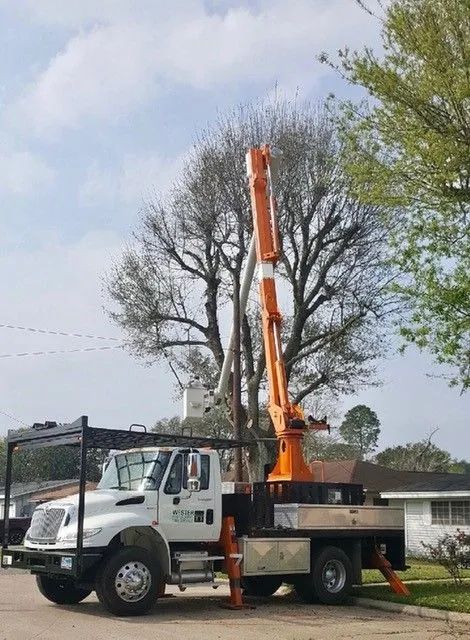
Another effective strategy for ensuring longevity involves structural maintenance. Haphazard cutting can cause irreversible damage, leading to decay, pest entry points, and structural weakness. Instead of simply removing branches that look overgrown, arborists now employ highly calculated tree trimming and shaping to guide the growth pattern from a young age. This process involves carefully identifying and removing co-dominant stems, crossing branches, and weak crotches before they become major liabilities. Precision pruning improves air circulation throughout the canopy, which allows sunlight to reach the inner branches and reduces the ambient humidity that fuels fungal infections. Furthermore, proper shaping encourages the tree to develop a sturdy, balanced framework capable of withstanding high winds and heavy precipitation. By performing exact cuts, the tree expends less energy healing massive wounds and more energy flourishing. This detailed approach to canopy management is a cornerstone of modern arboriculture that pays dividends for decades.
3. Utilizing Proactive Storm Damage Cleanup Practices
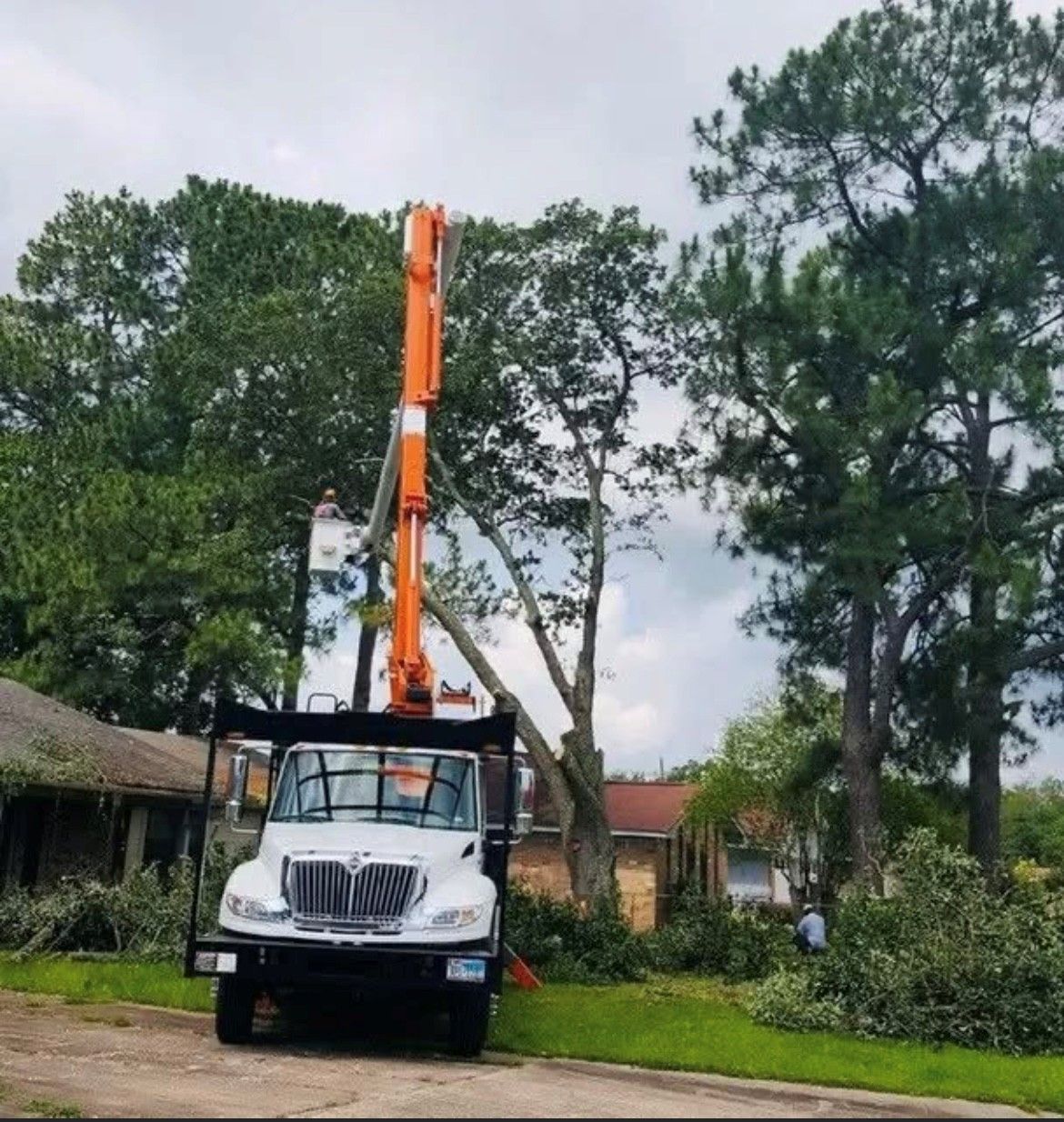
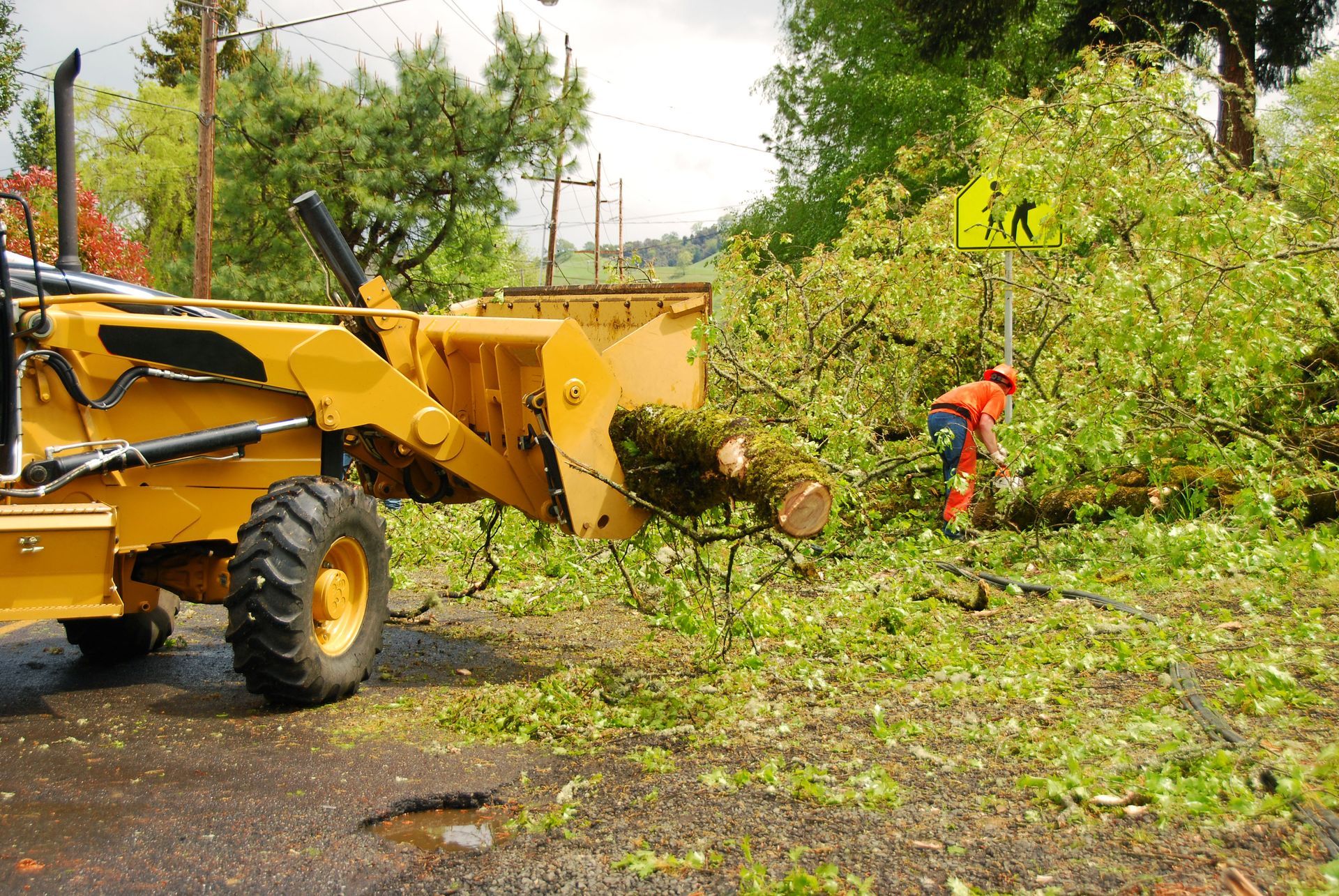
Extreme weather events pose one of the greatest threats to mature landscapes. While we cannot control the weather, arborists have revolutionized how they handle the aftermath to preserve the remaining vegetation. Comprehensive storm damage cleanup is no longer just about clearing roads; it is a critical strategy for saving compromised trees. When heavy winds tear branches away, the resulting jagged wounds are highly susceptible to disease. Arborists quickly assess the site, making clean cuts on torn limbs to promote rapid compartmentalization and healing. When a specimen is beyond saving and threatens surrounding healthy plants, immediate hazardous tree removal is executed. Removing a compromised structure prevents it from falling and taking down neighboring healthy vegetation. By swiftly and methodically managing the chaos through targeted tree care, professionals reduce secondary stress on the surviving landscape, allowing the root systems to stabilize and recover without competing with hazardous, decaying debris.
4. Managing Root Systems and Stump Grinding Integration
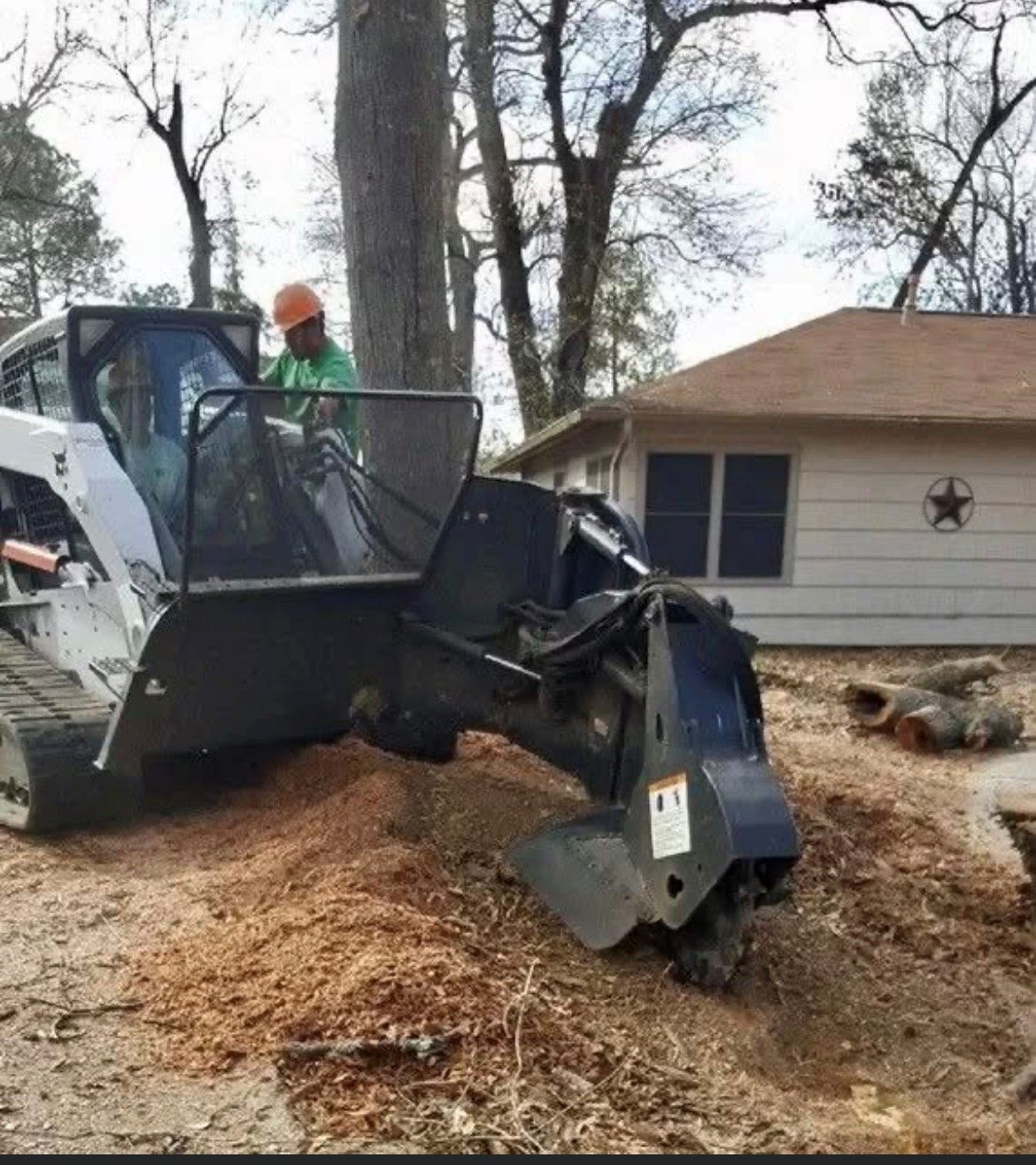
Leaving decaying stumps in your yard invites long-term botanical disaster. In the past, many property owners simply let old stumps rot naturally, completely unaware of the hidden dangers. Arborists today recognize that dead wood acts as a magnet for wood-boring insects, termites, and aggressive fungal pathogens. These threats rarely stay confined to the dead stump; they frequently spread through the soil and infect the root systems of healthy, nearby trees. To combat this, arborists integrate thorough stump grinding into their long-term tree care strategies. By mechanically grinding the stump below the soil grade, professionals instantly remove the breeding ground for these detrimental pests. Furthermore, clearing out the old root mass frees up valuable soil real estate, water, and essential nutrients for the remaining plants. This process often goes hand in hand with professional land clearing, ensuring that your property is completely free of decaying hazards and primed for vibrant new growth.
5. Embracing Routine Risk Assessments and Disease Prevention
Preventative medicine is just as important for plants as it is for humans. Modern arboriculture relies heavily on routine risk assessments to catch early warning signs before they escalate into fatal conditions. Arborists closely monitor properties for subtle indicators of stress, such as premature leaf drop, canopy thinning, bark discoloration, and fungal conks at the base of the trunk. By identifying these symptoms early, professionals can implement targeted interventions, such as adjusting irrigation, modifying environmental factors, or performing meticulous tree trimming. Consistent monitoring is the backbone of preventative tree care, allowing experts to address minor issues before they necessitate drastic measures. If a disease progresses too far and threatens the rest of the landscape, arborists will perform a strategic tree removal to quarantine the issue. Removing an infected specimen promptly protects the overall health of the ecosystem, ensuring that your remaining green assets continue to thrive without exposure to contagious pathogens.
6. Focusing on Ecological Debris Cleanup and Site Recovery
The final strategy for ensuring long-term health revolves around the environment surrounding the root zone. A cluttered, debris-filled landscape stifles healthy growth. Fallen branches, excessive leaf litter, and storm refuse can smother the soil, preventing essential oxygen and water from reaching the root systems. Furthermore, a thick layer of unmanaged organic material creates a damp, dark environment that fosters harmful fungi and harbors overwintering insect pests. To promote lasting vitality, arborists emphasize debris cleanup as a vital component of routine property maintenance. By clearing away excess refuse, professionals ensure that the soil can breathe and drain properly, which is critical for preventing root rot. This level of comprehensive tree care keeps the ground layer sanitary and reduces the competition for ground-level resources. A clean, well-managed site provides the optimal foundation for mature trees to expand their root networks, absorb necessary nutrients, and build resilience against future environmental stressors.
Successfully securing the future of your entire landscape requires dedication, specialized knowledge, and a clear willingness to embrace modern solutions. As environmental challenges grow more complex, the strategies used to protect our green spaces must also evolve. From utilizing specialized nutrition and precision shaping to executing fast storm damage cleanup and stump grinding, arborists are equipped with the tools to foster incredible resilience. Taking a highly proactive stance against disease, managing hazardous tree removal carefully, and maintaining a perfectly clean site through consistent debris cleanup are all absolutely vital steps in this ongoing journey. By investing in these updated methodologies, property owners can enjoy lush, beautiful landscapes for generations to come. When you are ready to implement these advanced tree care strategies and ensure the enduring health of your property, reach out to Brent Wester Professional Tree Services.
Why Scheduling Post-Storm Tree Service and Risk Assessments Is Essential to Identify Hazardous Trees