June 30, 2026
In the realm of property management, tree removal is a critical process that ensures both safety and operational efficiency. Overgrown or damaged trees not only threaten the structural integrity of properties but also pose serious hazards to the people residing therein. Effective tree management is essential for creating a safe environment, avoiding potential liabilities, and maintaining the aesthetic appeal of properties. Additionally, strategic removal can enhance the overall ecological balance, ensuring that necessary and healthy trees thrive without competition from unhealthy or invasive species.
The Necessity of Tree Removal
Safety Concerns
Trees that are overgrown, diseased, or damaged pose significant risks to property and human safety. They can fall unexpectedly during storms or high winds, causing injury to people and damage to nearby structures. Limbs can snap and fall without warning, creating additional hazards. Property managers must routinely assess tree health to mitigate these risks, ensuring the safety of residents and visitors. Regular inspections and timely removal of hazardous trees are essential components of a comprehensive safety strategy.
Aesthetic Considerations
Beyond safety and infrastructural considerations, trees play a vital role in the visual appeal of a property. Overgrown or unmanaged trees can overshadow a property's features, reducing its attractiveness to potential buyers or renters. Properly pruned and strategically removed trees enhance landscaping, highlighting a property's positive attributes. Landscape aesthetics significantly influence property value, making regular tree maintenance an essential aspect of property management. Trees should complement the environment, not detract from it.
Legal and Regulatory Requirements
Many municipalities have regulations that mandate the removal of trees that pose threats to public safety. Property managers must familiarize themselves with local laws regarding tree maintenance and removal to avoid legal repercussions. Failure to comply with these regulations can lead to fines or lawsuits, emphasizing the importance of adherence. Obtaining necessary permits and following guidelines ensures that tree removal processes are legally sound. Legal compliance is a critical aspect of ethical and responsible property management.
Environmental Impact
While removal is sometimes necessary, it is crucial to carry it out responsibly to maintain ecological balance. Responsible managers consider the environmental implications of removing trees, striving to replace them when possible. The global arboriculture services market was estimated at $316.21 million in 2025 and is expected to reach $336.81 million in 2026, according to 360iResearch, underlining the importance of sustainable practices in arboriculture. Replanting and maintaining tree diversity are essential strategies that contribute to ecological health. Environmental stewardship enhances property value and community well-being.
Tree Health and Risks
Signs of Tree Decay
Identifying symptoms of decaying trees is a critical skill in property management. Dead branches, fungal growth, and visible cavities are indicators that warrant immediate attention. Decay often progresses internally, making early detection crucial to prevent potential hazards. Routine visual inspections help identify these signs, allowing managers to take preemptive action. Engaging professionals for thorough assessments can confirm suspicions and recommend appropriate interventions.
Structural Stability
The structural integrity of trees plays a significant role in risk assessment. Leaning trees or those with multi-trunk configurations can be inherently unstable. A comprehensive evaluation includes assessing the tree's root system, which provides stability against environmental stressors. Environmental factors, such as soil conditions and exposure to wind, influence structural stability and must be considered. Professional evaluations often incorporate specialized testing to determine a tree's risk potential accurately.
Professional Tree Surveys
Engaging professional arborists for tree surveys is an effective strategy for comprehensive risk assessment. Arborists provide expert insights into tree health, identifying potential hazards that non-professionals might overlook. They utilize specialized equipment and methodologies to evaluate different aspects of tree health and risks. Their expertise includes providing recommendations for maintenance, removal, or alternative solutions. Professional assessments ensure informed decision-making aligned with safety standards and legal requirements.
Techniques for Safe Tree Removal
Manual Removal Methods
Traditional manual methods of tree removal are labor-intensive but can be effective in small-scale operations. Techniques such as sectional felling and pruning involve using chainsaws and other hand tools for precise operations. While these methods are suitable for smaller trees or areas with limited space, they pose higher risks and require skilled labor. The historical significance of these techniques highlights advancements in safety and efficiency in removal practices. Manual methods remain relevant, especially in situations where mechanical access is constrained.
Mechanical Equipment Use
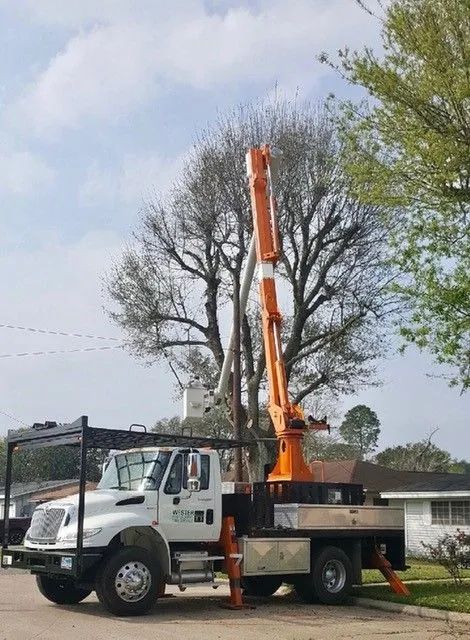
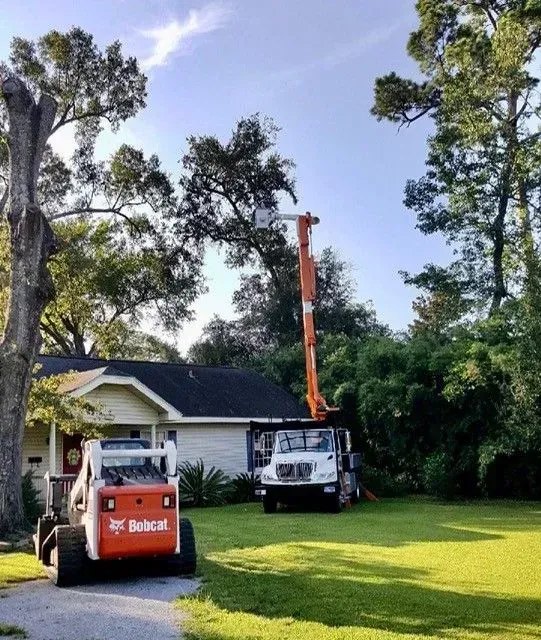
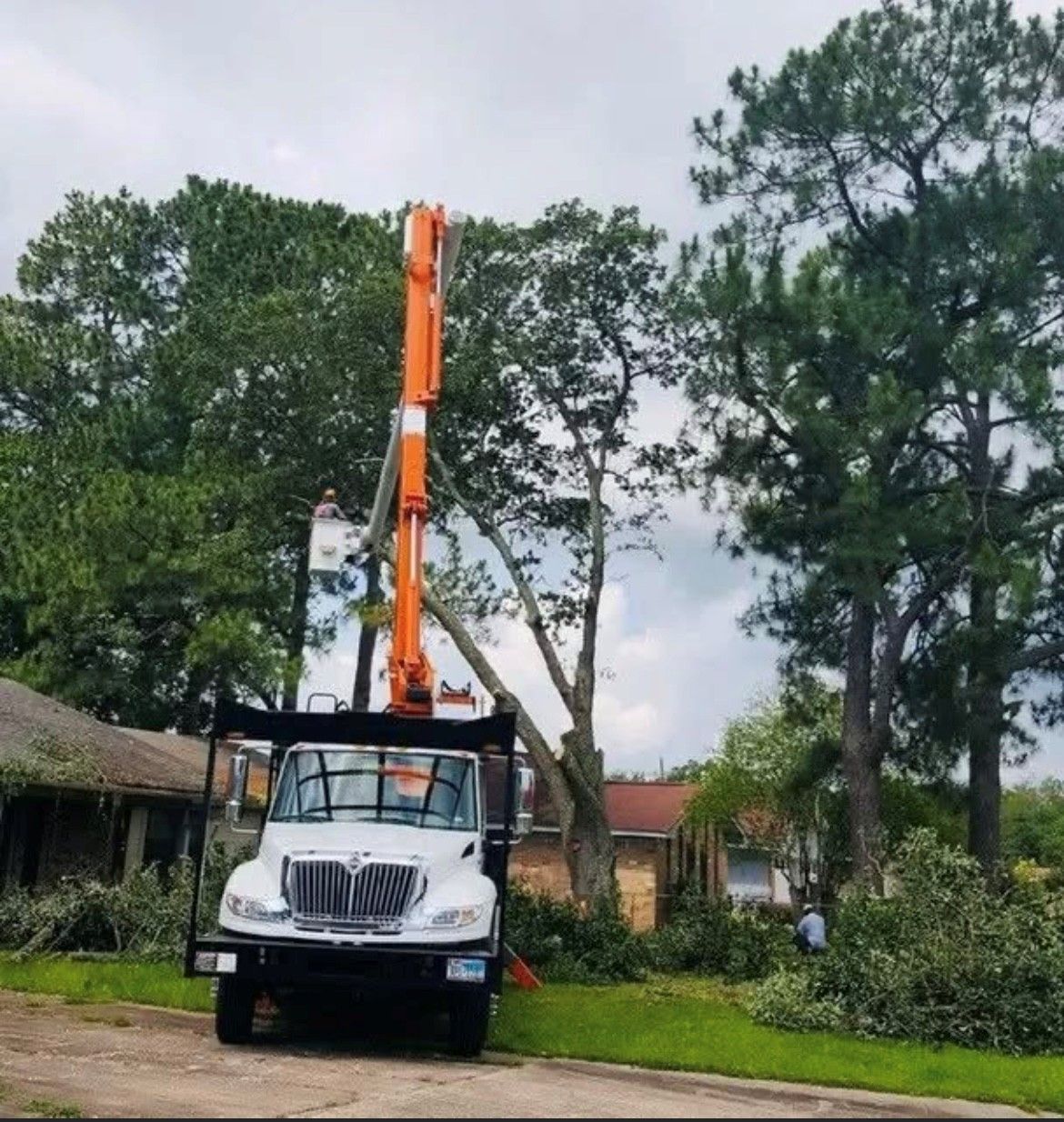
Advancements in technology have made mechanical equipment a staple in removal for improved safety and efficiency. Equipment like cranes, cherry pickers, and wood chippers enables the safe and expedited removal of large or complex trees. Mechanized processes reduce labor risks and increase precision, minimizing property damage during operations. The use of advanced machinery is critical for large-scale removal projects, balancing efficiency with safety. Integrating technology in removal underscores the industry's growth, mirrored by the increasing value of the arboriculture market.
Safety Procedures
Strict adherence to safety protocols is paramount during tree removal operations. From wearing protective gear to ensuring clear communication among team members, safety is a non-negotiable priority. Pre-assessment of the operational area identifies potential hazards and facilitates planning to mitigate them. Implementing standardized safety measures reduces the occurrence of accidents and ensures the well-being of workers and the public. Continuous safety training and evaluation of procedures maintain high safety standards.
Permits and Permissions
Securing the necessary permits and permissions is a crucial step in the removal process. Local authorities may have specific regulations that necessitate adherence to legal frameworks for removal. Understanding the legal requirements prevents fines and supports ethical management practices. Engaging with local governmental bodies or consulting with legal experts ensures compliance. Preparedness in this aspect streamlines operations, guaranteeing that projects proceed without legal impediments.
Post-Removal Management
Disposal of Tree Debris
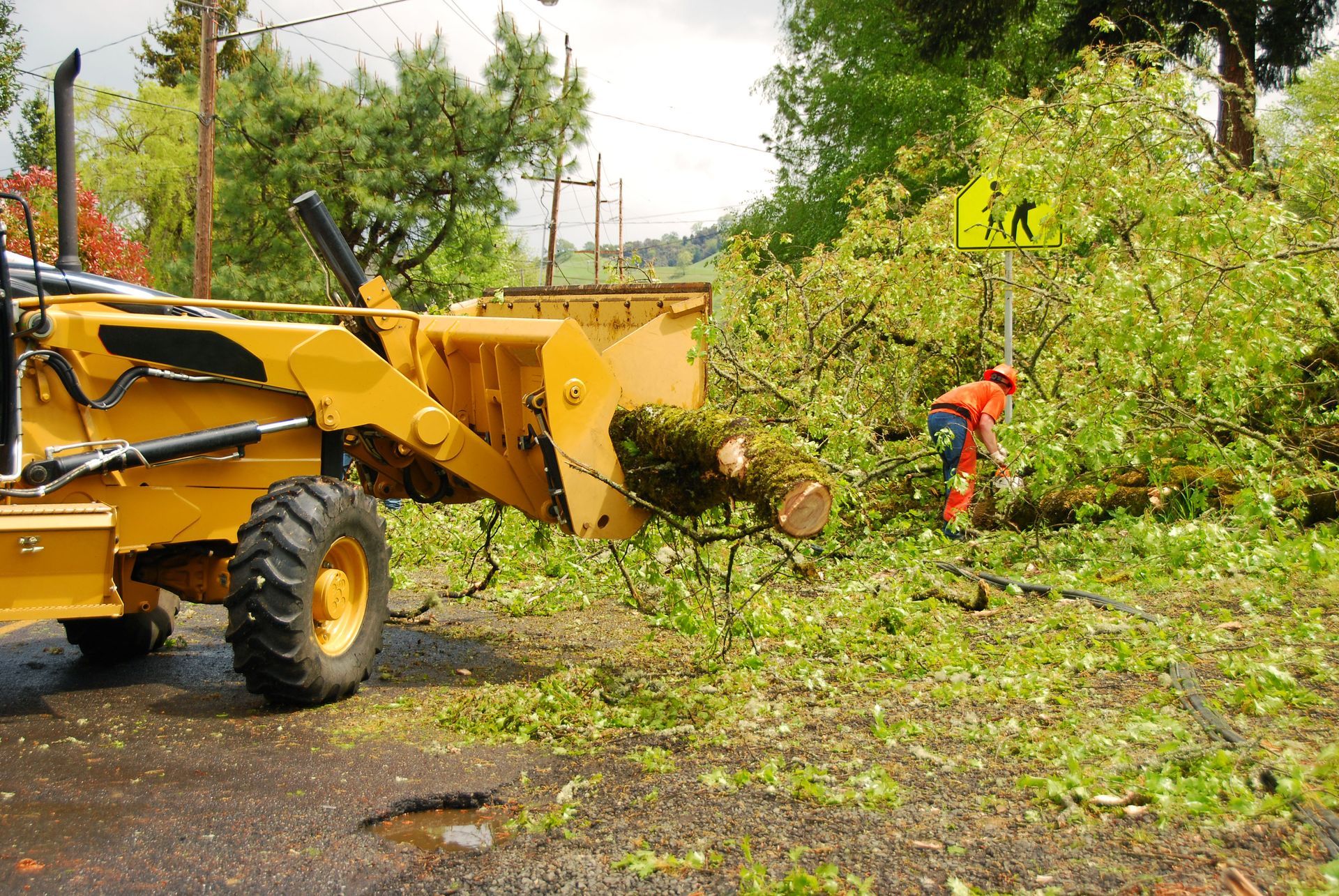
Eco-friendly disposal of tree debris is crucial to minimize environmental impact post-removal. Methods such as chipping branches into mulch or transporting logs for use in wood products support sustainable practices. Community programs can also promote recycling debris for use in landscaping or fuel, maximizing the utility of felled trees. Responsible disposal practices align with broader ecological objectives, enhancing community and environmental health. Strategic planning for debris disposal is an integral aspect of tree management operations.
Soil Restoration Techniques
Post-tree removal, soil restoration is paramount to maintaining long-term landscape health. Removing subsoil compaction and amending soil with organic matter revitalizes the area, preparing it for future vegetation. Restoration does not only focus on current needs but also anticipates future growth and development. Integrating soil health in the planning stages ensures that post-removal, the property remains fertile and sustainable. Comprehensive soil care is essential for preserving the integrity of the land after the removal.
Replanting Alternatives
Determining the most suitable replanting alternatives requires a balance between ecological considerations and property goals. Selecting appropriate species that align with environmental criteria and landscape design ensures long-term success. Consulting with arborists or landscape designers provides insights into optimal species selection, enhancing biodiversity and aesthetics. Evaluating replanting alternatives supports broader environmental and property management objectives. Thoughtful planning for tree replacement fosters resilient and diverse landscapes.
A comprehensive understanding of tree removal is pivotal in promoting safe and efficient property management. From assessing tree health to engaging qualified professionals, proactive strategies ensure that operations align with safety, legal, and environmental standards. If you have any questions about our tree services, contact us at Brent Wester Professional Tree Services today.