November 6, 2026
Trees provide vital shade, beauty, and environmental benefits to any outdoor space, establishing a foundation for a healthy natural ecosystem right in your own yard. However, as these magnificent plants age, face severe weather conditions, or succumb to various diseases, they can transform from stunning assets into serious liabilities. When a mature plant becomes unstable or deeply infected, the entire surrounding property is placed at considerable risk of sudden damage. Homeowners must remain vigilant and proactively monitor their outdoor environments to identify potential hazards before a catastrophic failure occurs. Ignoring the early warning signals often leads to property devastation, damaged utility lines, or severe safety hazards for your family and guests. Identifying these issues early is critical for maintaining a secure and beautiful outdoor space. In many cases, assessing the health of a declining plant will lead property owners to realize that professional tree removal is the safest and most effective solution to protect the surrounding landscape.
1. Visible Fungal Growth and Internal Decay
A primary indicator that a plant has become a severe liability to your property is the sudden appearance of mushrooms or fungal growth around the base of the trunk. Fungi thrive on decaying wood, meaning their presence strongly suggests that the interior structure is rotting away from the inside out. As internal decay progresses, the core strength of the trunk is completely hollowed out, leaving the entire structure incredibly weak and prone to collapsing under its own weight. Property owners might also notice soft, crumbling bark or deep cavities where healthy wood should be. This type of degradation happens slowly, making it easy to overlook until the internal damage is irreversible. When the structural integrity is compromised by rampant decay, the risk of a sudden collapse during a minor storm increases exponentially. Addressing this widespread rot is crucial, and recognizing the severity of the decay often points to the necessity for immediate tree removal to prevent catastrophic property damage.
2. Severe Leaning and Structural Instability
While some plants naturally grow at a slight angle to reach available sunlight, a sudden or severe lean is a glaring warning sign of structural failure. This sudden shift typically indicates that the anchoring root system has been severely compromised or that the surrounding soil has weakened significantly. When a heavy canopy is no longer adequately supported by a robust root system, the entire structure becomes a precarious hazard that could topple at any moment. High winds or heavy rainfall can easily push an already leaning plant over the edge, causing it to crash onto a house, driveway, or neighboring property. Understanding the importance of maintaining a safe and aesthetically pleasing outdoor space is critical for modern homeowners. According to Coherent Market Insights, the tree landscaping segment is expected to contribute 43.2% share of residential tree services in 2026. Prioritizing the stability of your landscape ensures you avoid the devastating consequences of ignoring a dangerously unstable and leaning plant.
3. Deep Cracks and Splits in the Trunk
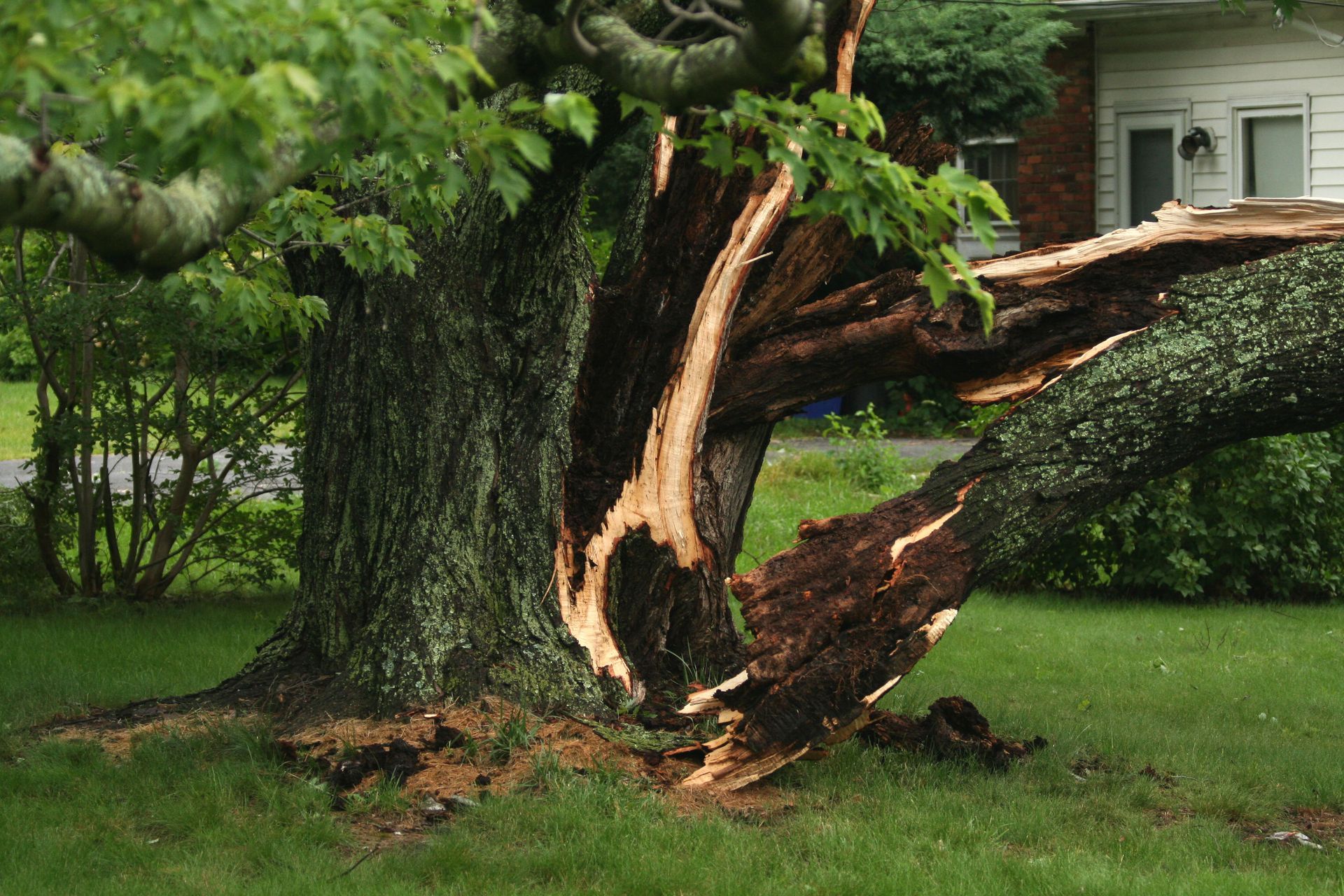
The trunk serves as the central support column for the entire canopy, carrying moisture and nutrients while providing essential structural stability. When deep cracks, severe splits, or large missing chunks of bark appear along the main trunk, the central support system is failing. These massive fissures create extreme points of weakness, meaning the plant can easily split completely in half during harsh weather conditions. Severe temperature fluctuations, lightning strikes, or advanced internal rot typically cause these dangerous structural defects. Once the main trunk is deeply compromised, the plant loses its ability to heal itself or support heavy branches. A compromised main column is incredibly dangerous because the failure point is completely unpredictable. Property owners must closely inspect any significant splits or sudden cavities that appear along the central trunk. In situations where the main support structure is fractured beyond recovery, scheduling a professional tree removal is the only viable option to restore safety to the immediate area.
4. Significant Root Damage and Soil Shifting
The root system is entirely responsible for anchoring the plant securely into the ground while absorbing necessary moisture and vital nutrients. Whenever nearby construction, heavy landscaping machinery, or extreme soil erosion damages these crucial underground networks, the plant immediately begins to lose its stability. Signs of critical root damage include noticeably heaving soil, exposed and broken roots, or sudden pooling water around the base. Without a fully functioning and securely anchored root system, even a seemingly healthy canopy is incredibly vulnerable to uprooting. Root degradation happens out of sight, making it a hidden danger that property owners frequently misunderstand or ignore until it is entirely too late. Because a weakened root system cannot hold the plant upright against heavy winds or saturated soil, the risk of a complete blowout is immense. Property owners facing severe root destruction must carefully evaluate the situation and realize that tree removal is often required to eliminate this hidden landscaping risk.
5. Excessive Dead Branches in the Canopy
A healthy canopy should be full of vibrant foliage and sturdy, flexible branches that can easily withstand normal environmental pressures. When property owners notice a significant accumulation of brittle, dead, or hanging branches throughout the upper canopy, it signals severe internal distress. These lifeless limbs, often referred to as widowmakers, pose a constant and severe threat to anyone walking underneath them. Deadwood can snap and plummet to the ground without any warning, causing severe property damage or catastrophic personal injury. While regular pruning can sometimes manage minor branch dieback, a widespread canopy failure indicates that the plant is no longer receiving adequate nutrients or is succumbing to a systemic disease. The continuous shedding of massive dead limbs transforms the surrounding yard into a deeply hazardous zone. When the entire upper canopy is effectively dead and dropping heavy debris, planning a comprehensive tree removal becomes absolutely necessary to eliminate the constant danger of falling branches.
6. Widespread Discoloration and Unseasonable Leaf Loss
Foliage serves as an excellent indicator of overall health and vitality for any plant situated within a residential landscape. When leaves suddenly turn yellow, brown, or begin dropping completely out of season, the plant is experiencing profound physiological stress. This widespread discoloration often points to a severe systemic infection, an aggressive pest infestation, or total root suffocation. While seasonal changes naturally affect foliage, rapid and unseasonable leaf loss means the plant is shutting down its biological processes to survive. If this extreme stress continues, the entire structure will rapidly die, leaving a brittle and dangerous hazard standing in your yard. Property owners should carefully monitor canopy vitality throughout the warmer months to catch these warning signs as early as possible. A completely bare canopy in the middle of summer is an undeniable sign of terminal decline. Ultimately, discovering this level of biological failure usually confirms that tree removal is the safest action to take.
Maintaining a safe and beautiful outdoor environment requires constant observation and a willingness to address hazardous landscaping issues immediately. Allowing a severely diseased, structurally compromised, or entirely dead plant to remain on your property puts your home, family, and surrounding landscape in unnecessary jeopardy. Recognizing the warning signs of internal decay, severe leaning, deep trunk cracks, root damage, canopy dieback, and unseasonable leaf loss allows you to make informed decisions about your property. Addressing these serious hazards proactively ensures that your outdoor spaces remain secure and visually appealing for everyone to enjoy. When a plant reaches the point of no return, trusting a professional team to handle the extraction is the smartest choice you can make for your property. If you have noticed any of these concerning signs in your yard, do not wait for a storm to force your hand. Contact Brent Wester Professional Tree Services today to schedule a comprehensive assessment and learn more about our expert tree removal solutions.