January 6, 2026
Removing tall trees is one of the most complex and hazardous tasks in the landscaping and property maintenance world. Height, weight, and proximity to structures all increase the stakes, making safety planning essential from start to finish. Understanding how professionals approach these challenges can help homeowners appreciate why expertise matters so much.
Assessing Tree Height, Condition, and Surroundings
Before any equipment is unloaded or ropes are tied, a thorough site assessment takes place. Tall trees present unique risks because gravity, wind, and structural weaknesses are amplified as height increases. Professionals begin by measuring the tree’s approximate height, trunk diameter, and canopy spread to understand the scope of the project.
The health of the tree is another critical factor. Dead or decaying wood can behave unpredictably when cut, increasing the likelihood of sudden breaks or falling limbs. Hollow trunks, fungal growth, and extensive pest damage all influence how removal is approached. A qualified tree removal company evaluates these issues to determine whether the tree can be dismantled in sections or if specialized techniques are required.
Surrounding structures and landscapes also shape the plan. Homes, power lines, fences, driveways, and neighboring properties all create obstacles that must be protected. Even the slope of the ground and soil stability are considered, as uneven terrain can affect equipment placement and worker footing.
Planning a Controlled and Strategic Removal
Once the assessment is complete, a detailed removal plan is created. Tall trees are rarely felled in one piece, especially in residential or commercial areas. Instead, professionals design a step-by-step process that prioritizes control over speed.
This planning phase includes deciding where each section of the tree will be lowered and how it will be guided safely to the ground. Rope systems, rigging points, and drop zones are mapped out in advance. Communication protocols are also established so every crew member understands their role and timing during the removal.
Cost considerations often arise at this stage as well. According to This Old House, large trees—such as those over 30 feet tall—typically cost more to remove than smaller ones because they require specialized equipment and are riskier to remove. This reality underscores why careful planning is not just about safety, but also about efficiency and preventing costly mistakes.
Using Specialized Equipment for Height and Stability
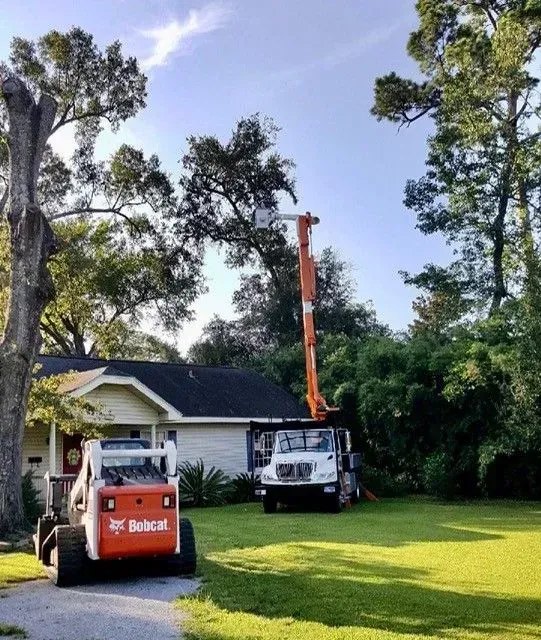
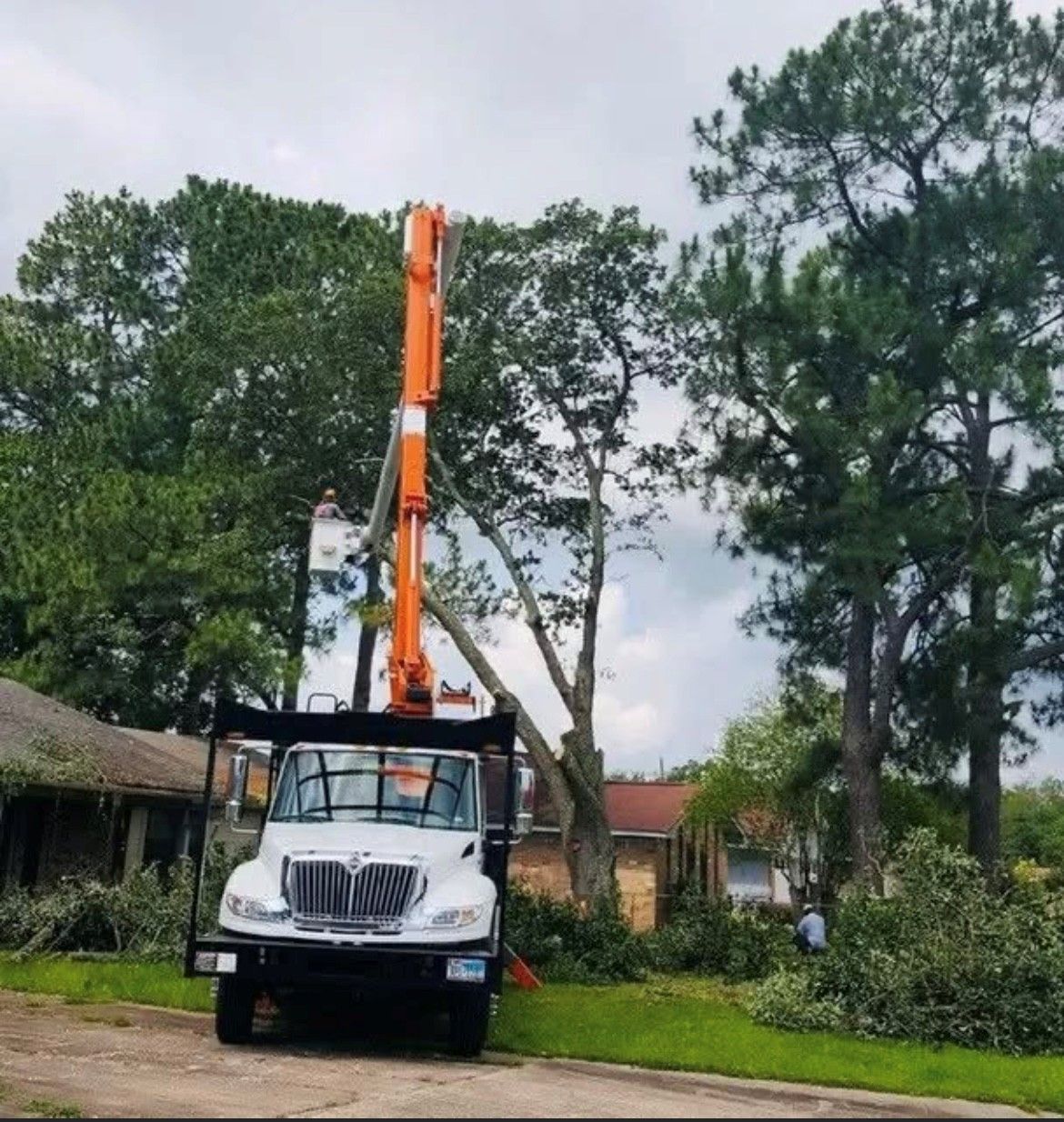
Tall tree removal relies heavily on specialized equipment designed to manage height and weight safely. Climbing gear, bucket trucks, and cranes are commonly used depending on access and tree size. Each option serves a different purpose, and choosing the right one reduces physical strain and risk.
Climbers may ascend the tree using harnesses, ropes, and spikes when space is limited or when a bucket truck cannot reach the canopy. For extremely tall or unstable trees, cranes can lift large sections away from the property without letting them swing or fall freely. A skilled tree removal company knows when mechanical assistance is safer than manual climbing.
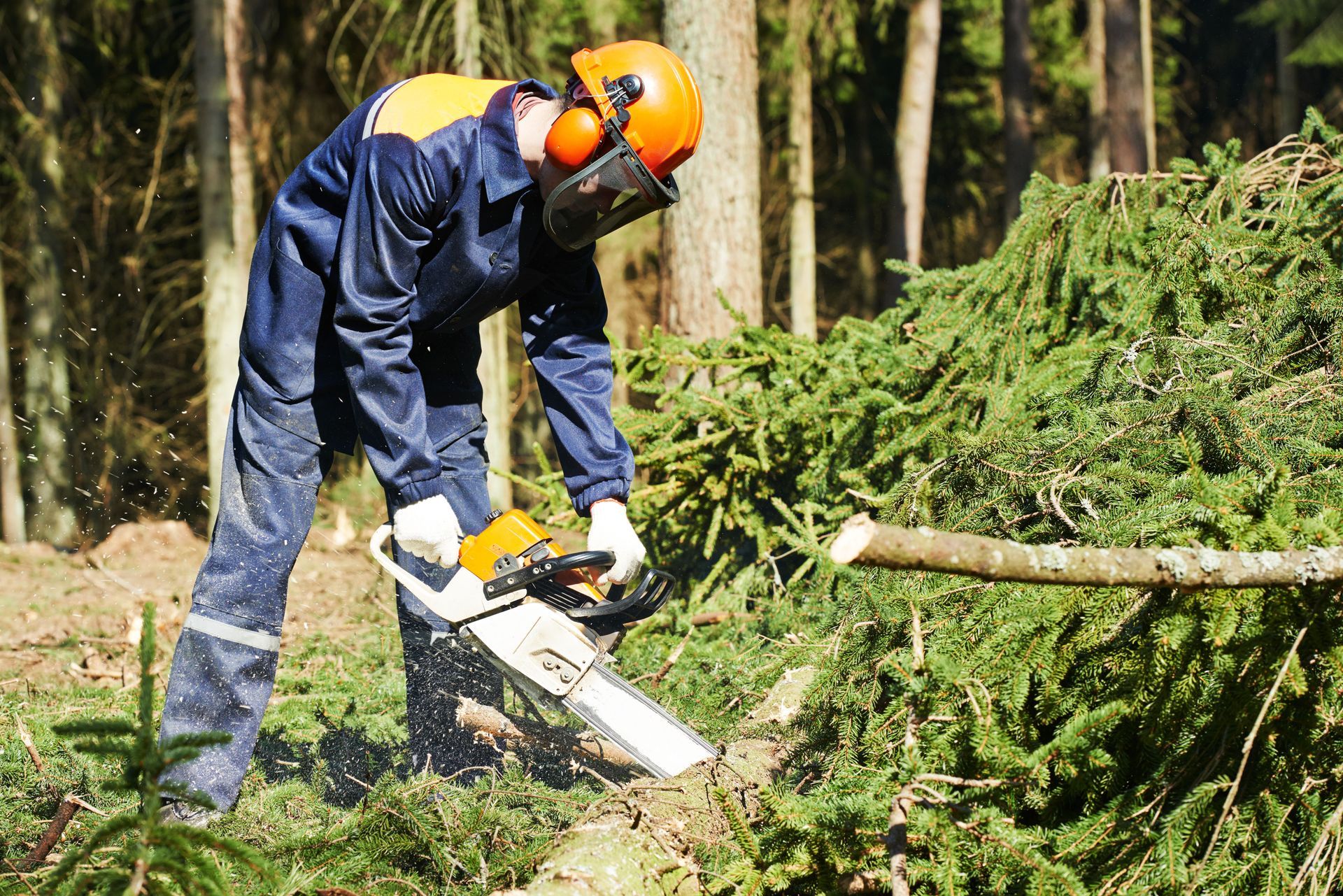
Chainsaws used in these scenarios are also selected carefully. Different bar lengths and power levels are matched to the size of limbs and trunk sections being cut. All tools are maintained rigorously to prevent malfunctions while working at height.
Implementing Rigging and Sectional Cutting Techniques
One of the defining features of tall tree removal is sectional cutting. Rather than cutting the tree at the base, professionals remove it piece by piece from the top down. This method minimizes uncontrolled movement and allows each section to be guided safely to the ground.
Rigging systems play a central role in this process. Ropes, pulleys, and friction devices are attached to sturdy anchor points within the tree or on nearby equipment. When a limb or trunk section is cut, the rigging system absorbs the weight and controls the descent, preventing damage below.
Timing and coordination are essential here. Ground crew members manage rope tension while climbers make precise cuts above. Clear verbal or hand-signal communication ensures everyone reacts instantly if conditions change. This teamwork-focused approach is a hallmark of a professional tree removal company handling tall trees.
Prioritizing Crew Safety and Training
Safety protocols extend beyond equipment and planning; they are embedded in crew training and daily practices. Workers handling tall tree removals are trained in fall protection, emergency response, and hazard recognition. Personal protective equipment such as helmets, eye protection, gloves, and cut-resistant clothing is mandatory.
Weather conditions are also monitored closely. High winds, lightning, or heavy rain can turn a manageable job into a dangerous one, especially at significant heights. If conditions are unsafe, responsible crews delay work rather than take unnecessary risks.
Regular safety briefings keep everyone aligned on the plan and potential hazards for the day. A reputable tree removal company treats safety as a continuous process, not a one-time checklist, understanding that tall trees leave little margin for error.
Managing Debris and Protecting the Property
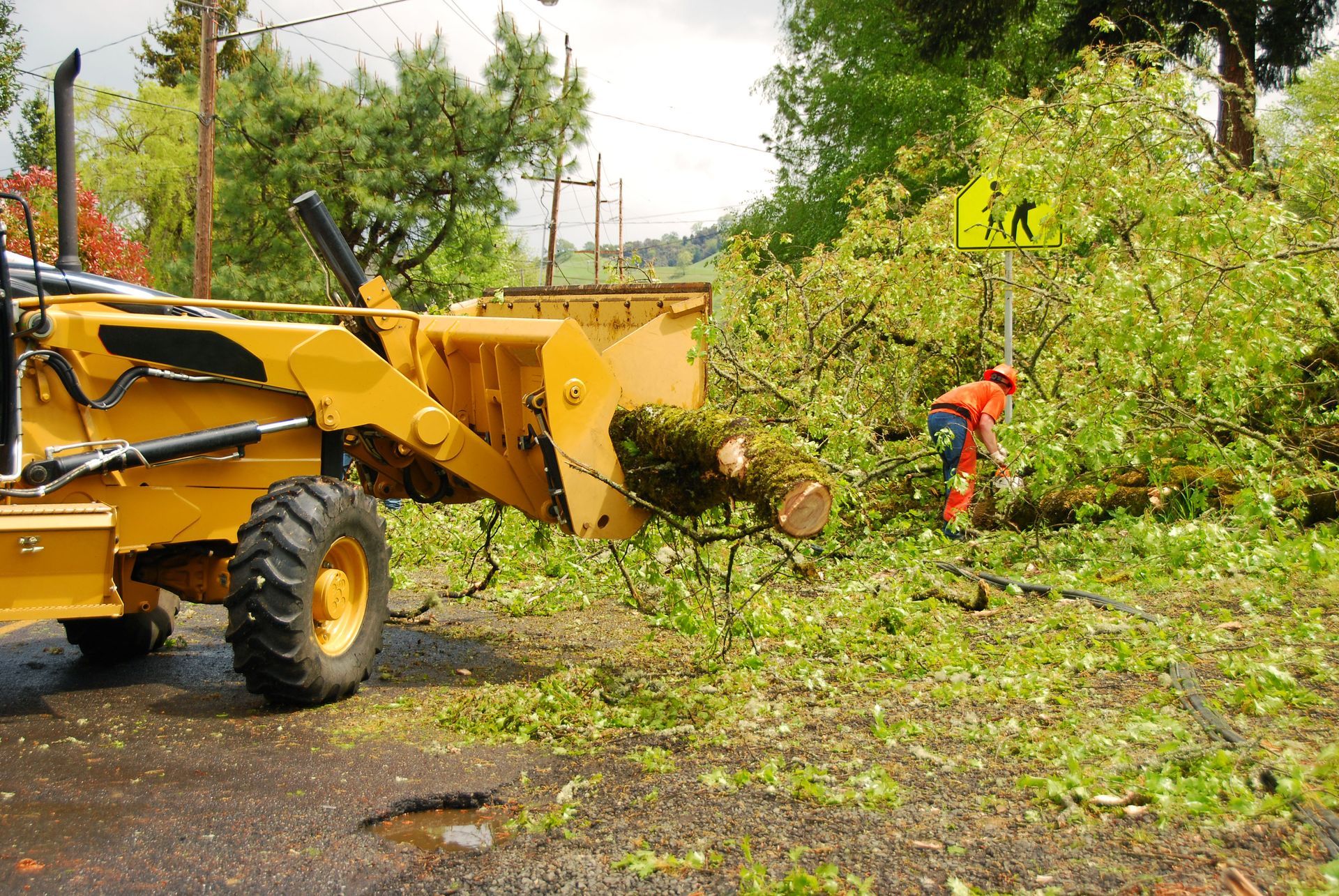
As sections of the tree come down, attention shifts to debris management. Tall trees generate large volumes of wood and foliage, which must be handled efficiently to keep the site organized and safe. Logs are cut into manageable lengths, and branches are chipped or stacked for removal.
Protecting the property during this phase is just as important as during cutting. Mats or plywood may be placed over lawns, gardens, or driveways to prevent damage from heavy equipment. Careful staging ensures that debris does not interfere with ongoing work or create tripping hazards.
This organized approach allows the removal process to continue smoothly from top to bottom. Homeowners often notice that an experienced tree removal company leaves the property cleaner and more intact than expected, even after removing a massive tree.
Completing Final Inspections and Cleanup
Once the tree itself is fully removed, final inspections take place. Stumps, surface roots, and remaining debris are evaluated based on the agreed scope of work. Some clients opt for stump grinding to eliminate tripping hazards and prepare the area for landscaping.
A thorough cleanup is part of professional service standards. Sawdust, small branches, and stray wood pieces are cleared so the property can be used safely immediately after the job. Final walkthroughs ensure that no damage has occurred to structures, utilities, or nearby plants.
This concluding phase reinforces the value of methodical, safety-driven work. Tall tree removal is not complete until the site is secure and orderly, reflecting the discipline required throughout the entire process.
Understanding Why Professional Handling Matters
Tall trees combine height, mass, and unpredictability in ways that demand specialized knowledge. From initial assessment to final cleanup, every step builds on careful planning and skilled execution. Attempting such work without proper training or equipment dramatically increases the risk of injury and property damage. Professional crews understand how to anticipate shifting weight, internal decay, and environmental factors that can affect each cut. Their experience allows them to adapt quickly if conditions change, preventing small issues from becoming dangerous situations.
By relying on a qualified tree removal company, property owners gain peace of mind knowing that safety, efficiency, and precision guide the process. Tall trees may pose significant challenges, but with the right approach, they can be removed safely and responsibly, protecting both people and property in the process. If you are considering hiring a tree removal company, contact Brent Wester Professional Tree Services today to learn more and get started!